Career and Technical Education programs in Central Texas continue expanding as schools, colleges, and workforce development centers respond to growing demand for hands-on training in skilled trades and technical careers. Programs focused on automotive technology, welding, culinary arts, healthcare training, construction, manufacturing, information technology, cosmetology, and industrial maintenance provide students with practical experience that prepares them for real-world careers. As these educational programs grow, many institutions are upgrading facilities, opening new training centers, or reorganizing classroom layouts to accommodate modern equipment and larger student enrollment. These transitions often require moving heavy machinery, specialized tools, workstations, training simulators, and classroom infrastructure between buildings or campuses. Unlike traditional classroom relocations, Career and Technical Education programs depend heavily on equipment that is expensive, oversized, and highly specialized, making efficient transportation and careful handling essential during any relocation or renovation project.
Why Equipment Moves Are More Complex Than Standard Relocations
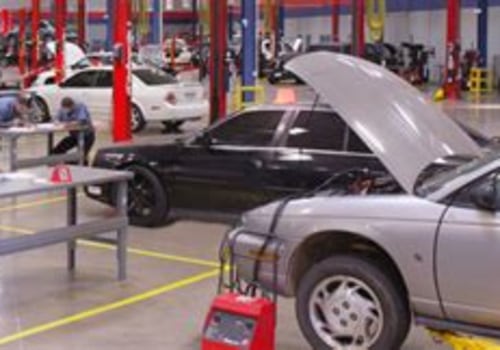
One of the biggest challenges involved in relocating Career and Technical Education programs is the variety of equipment required across different trades and industries. Welding programs may use industrial welding stations, ventilation systems, and metalworking tools that require careful dismantling and transport. Automotive training centers often contain vehicle lifts, engine components, tire machines, diagnostic systems, and tool storage units that are both heavy and sensitive to improper handling. Culinary arts programs may involve commercial ovens, refrigeration systems, prep stations, and food service equipment that must be relocated efficiently to avoid disruptions to student instruction. Healthcare training labs may also include simulation equipment, hospital beds, medical technology devices, and classroom systems that require secure transportation and precise setup. Because these programs are designed to mirror real workplace environments, equipment functionality and organization are critical to maintaining educational quality after relocation.
Timing and Operational Continuity Matter for Schools and Training Centers
Educational institutions often face strict deadlines when relocating technical programs because classes must continue operating with minimal interruption. Renovation schedules, semester start dates, certification requirements, and workforce training commitments all place pressure on schools to complete equipment moves quickly and efficiently. Delays can affect student learning, disrupt certification programs, and create scheduling complications for instructors and administrators. In Central Texas, where population growth continues increasing demand for workforce training opportunities, many schools are expanding facilities or building entirely new training spaces to support local industries. These projects often require phased moves, temporary storage solutions, and coordinated transportation schedules to ensure students can continue accessing hands-on training equipment throughout the transition process. Reliable logistics support becomes especially important when handling large industrial machinery or delicate technology systems that are expensive to repair or replace if damaged during transportation.
Efficient Logistics Support Growing Educational Expansion
As Career and Technical Education programs continue modernizing and expanding throughout Central Texas, organized transportation and equipment management have become essential parts of supporting educational growth. Schools and workforce centers frequently rely on experienced transportation teams to help relocate industrial equipment, classroom furniture, training tools, and technical infrastructure safely between facilities. Trusted providers such as Mountain Movers may assist institutions by coordinating large-scale equipment transportation, temporary storage arrangements, and specialized handling procedures that help minimize downtime during renovations or campus transitions. Although students primarily experience the finished classrooms and training labs once instruction resumes, a significant amount of logistical planning takes place behind the scenes to ensure those spaces are operational and properly equipped. Efficient equipment moves help schools maintain instructional continuity while protecting valuable educational resources that support workforce development across Central Texas. In many ways, organized transportation logistics have become an important but often overlooked part of helping technical education programs continue preparing students for high-demand careers in rapidly growing industries.